
All News
Why Concrete is Becoming the New Competitive Advantage in Industrial Real Estate
Jupiter and Sunrise, Florida —Developers talk a lot about speed, cost control, and lease-up timelines. But the real differentiator in today’s market is something far more fundamental:
CONCRETE. AND WHO CONTROLS IT.
At Concrete Structures General Contractor Division, we have seen a clear industry shift: the projects that outperform with faster turnover, earlier TI start, and reduced weather risk are the ones where the building shell is concrete-driven and the contractor self-performs it.
And in our case, we take that control even further:
We make our own concrete. We bring in our own raw materials. We operate our own batch plant.
That means absolute consistency, no supply-chain gaps, and complete schedule reliability—advantages very few general contractors can offer.
Here’s why that matters:
1) Faster Weather-Tight Buildings.
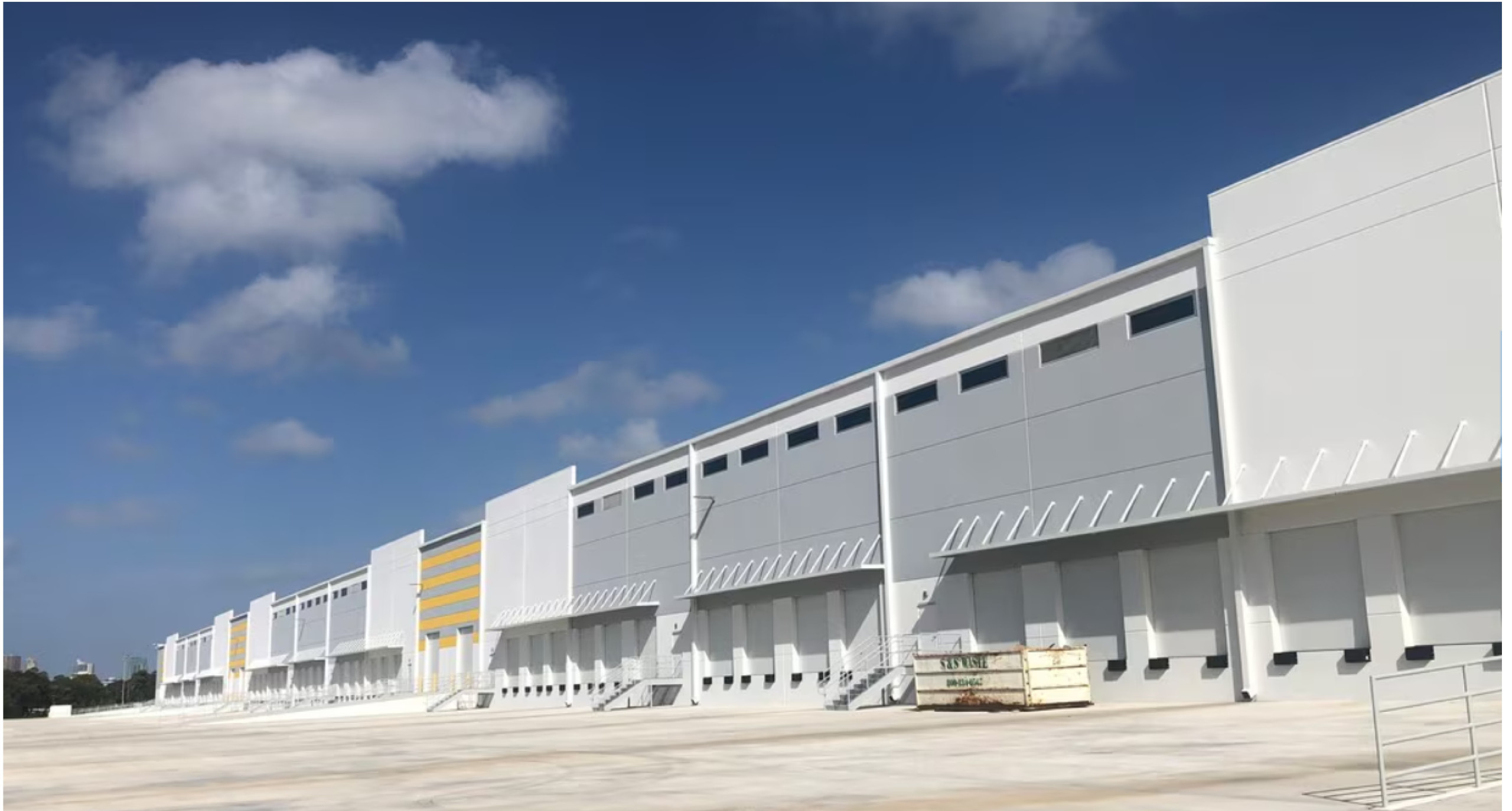
Precast and tilt-up panels—especially when paired with our ability to stand panels right after footings—mean your roof goes on early. Crews get inside sooner, and schedules compress naturally.
2) Panels Produced Ahead of the Critical Path.
Because we control the process, panels can be fabricated months ahead and staged for immediate installation. No waiting on the slab. No waiting on third-party queues.
3) Predictable Schedule. Predictable Results.
Self-performing the concrete trades eliminates the biggest schedule wild card. Developers gain true visibility into milestones without subcontractor variables.
4) Material Control = Supply Chain Control.
By producing our own concrete and batching it in-house, we eliminate common industry bottlenecks—plant delays, mix inconsistencies, trucking shortages, and pricing volatility. Your project is not at the mercy of outside suppliers.
5) Accelerated Revenue.
A weather-tight building means racking, equipment installs, and tenant improvements start earlier—directly impacting absorption and planning.
6) Long-Term Durability and Lower Maintenance.
Concrete walls offer superior performance, low long-term maintenance, and resilience—key factors for tenants focused on uptime and asset lifespan.
Industrial development is competitive. Timelines are tight. And concrete—done right, done early, and done in-house—is becoming one of the smartest ways to get ahead.
If you are a developer planning a project and want to explore a faster path from dirt to delivery, we’re here to help.
To learn more, visit ConcreteStructuresGC.com. Please contact Karen Hartigan for additional information at KarenHartigan@ConcreteStructuresGC.com.